.png)
SAFETY CENTER
SUMMER HEAT SAFETY
With the hot summer months quickly approaching, it is important to understand how to work safely in extreme heat. The most important factors are rest and hydration.
Hydration & Diet
Hydration does not come only from drinking water — your diet plays a major role. If you are unsure what changes you should make, remember that many health insurance plans, including the NALC Health Plan, may cover dietitians with no deductible.
Your hydration should always begin the day before a long, hot workday, followed by proper rest.
.png)
Cooling Tools for Carriers
.png)
To stay safe in the heat, carriers are encouraged to use:
-
Cooling towels or cooling tiles around the neck (two recommended)
-
A cooler with:
-
Water and electrolyte drinks
-
A cooling towel stored on ice
-
Items to help cool down during comfort stops
-
A cooling towel can be changed as often as needed to keep your body temperature down.
.png)
Recognizing Heat Illness
There are two major heat‑related conditions carriers must be aware of:
-
Heat Exhaustion
-
Heat Stroke
Know the signs and how to act when symptoms occur.
If you feel ANY symptoms of heat exhaustion or heat stroke:
-
STOP immediately
-
CALL 911
-
Take as many comfort stops as needed
-
Enter a business for air conditioning and hydration
-
Do NOT continue delivering if you feel unwell
Hydration and proper rest are important year‑round, not just in summer.

“Heat Illness Symptoms — Know the Signs and Act.”
Helpful Tools
OSHA offers a Heat Index App that provides:
-
Real‑time heat index
-
Caution, warning, and danger levels for your area
Carriers are encouraged to download and explore the app’s features.
You should also check the small heat‑safety informational card that fits behind your postal ID.
.png)
VEHICLE SAFETY
Another critical part of safety is ensuring that your vehicle is in proper working order.
Your daily vehicle inspection should take about seven minutes, and this time is already built into your office time. The inspection follows a programmed, logical sequence for both vehicle types:
-
RHD vehicles: Follow the standard walk‑around pattern.
-
LHD vehicles: Begin on the right side, move to the rear, and finish on the left side.
If assistance is not available for items 15 and 16, carriers may complete those checks themselves. PS Form 4565 is displayed below for reference.
.png)
Set Brake – Stop Run‑A‑Way, Roll‑A‑Way Accidents”

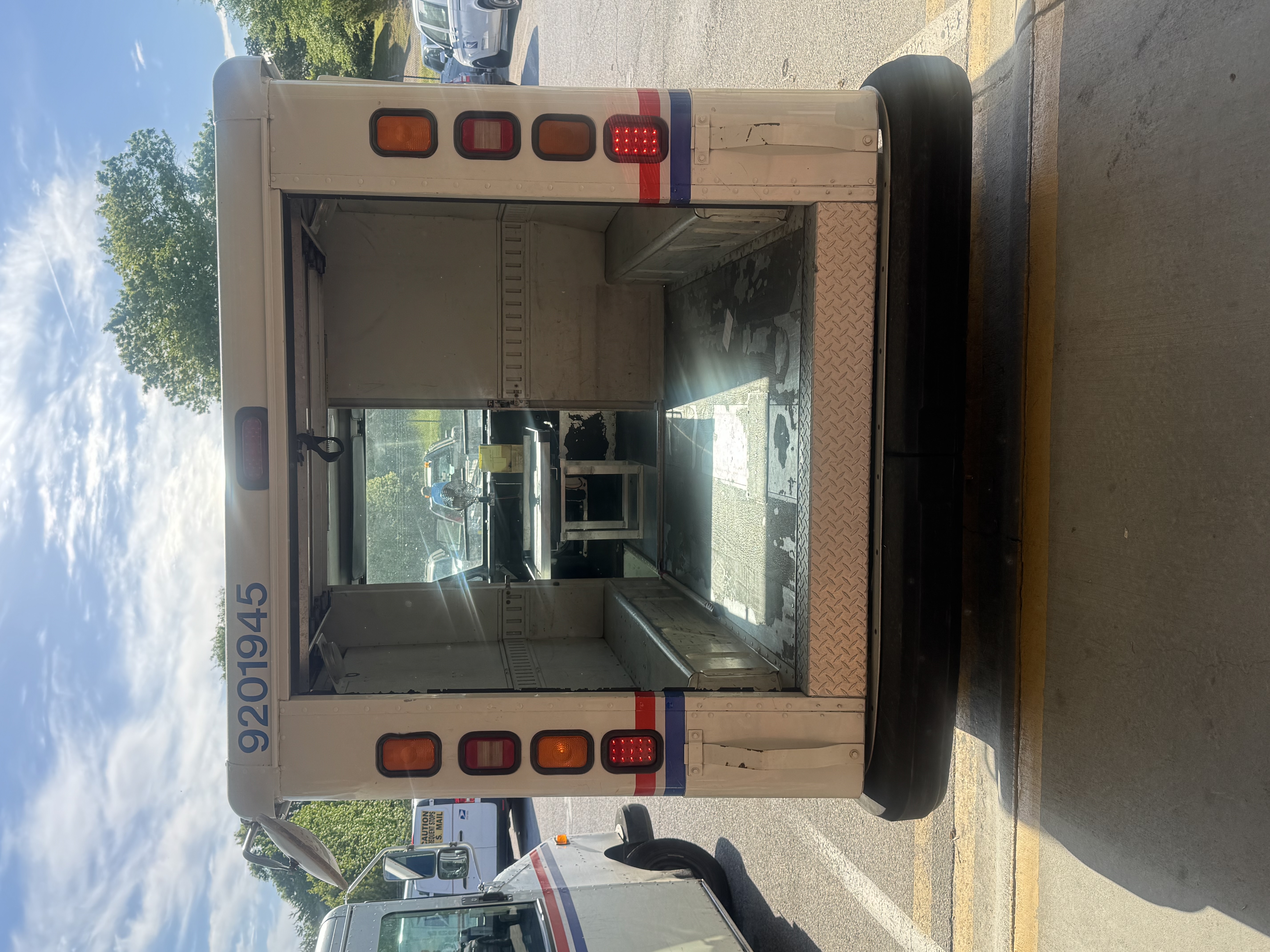
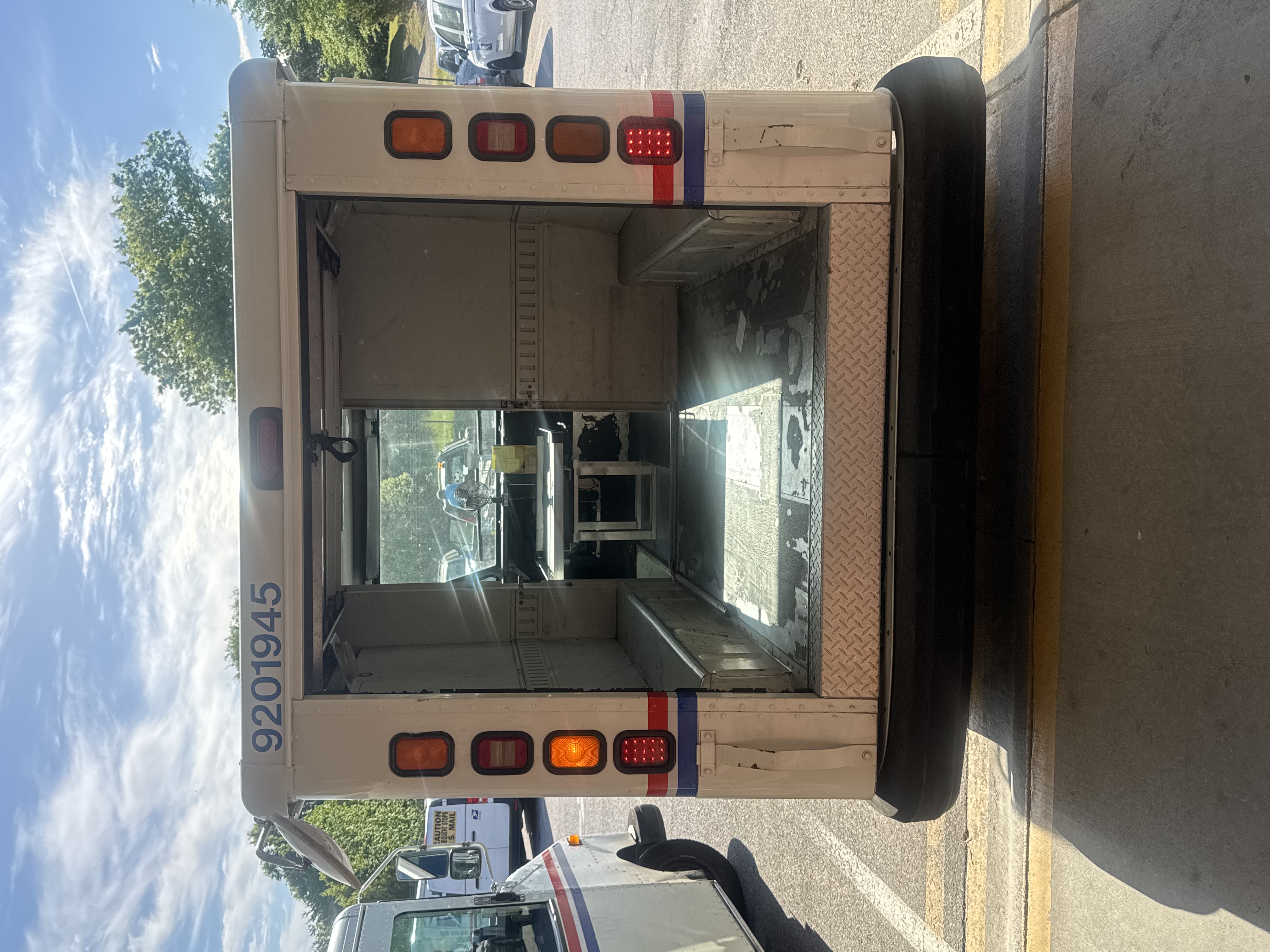
Every inspection matters. These photos show the results of a routine safety check performed by a Branch 595 carrier. During the inspection, the rear lights were found not working — a potential safety hazard. After completing PS Form 4565 and reporting the issue, the lights were repaired and restored to full function.
This before‑and‑after example demonstrates how proper vehicle inspections and timely reporting keep carriers safe on the road and ensure every vehicle meets Postal Service safety standards.